Pelvic floor strength training
Strength that works with your pelvic floor, not around it.
Leaking when you jump. Heaviness after a long run. Holding back on the barbell because you don't trust what will happen. None of it means you have to stop training. It means your training has to account for your pelvic floor.
Part of Mary's women's health program, in person in Pittsburgh or online anywhere in the country — and always alongside a pelvic floor physical therapist when you need one.
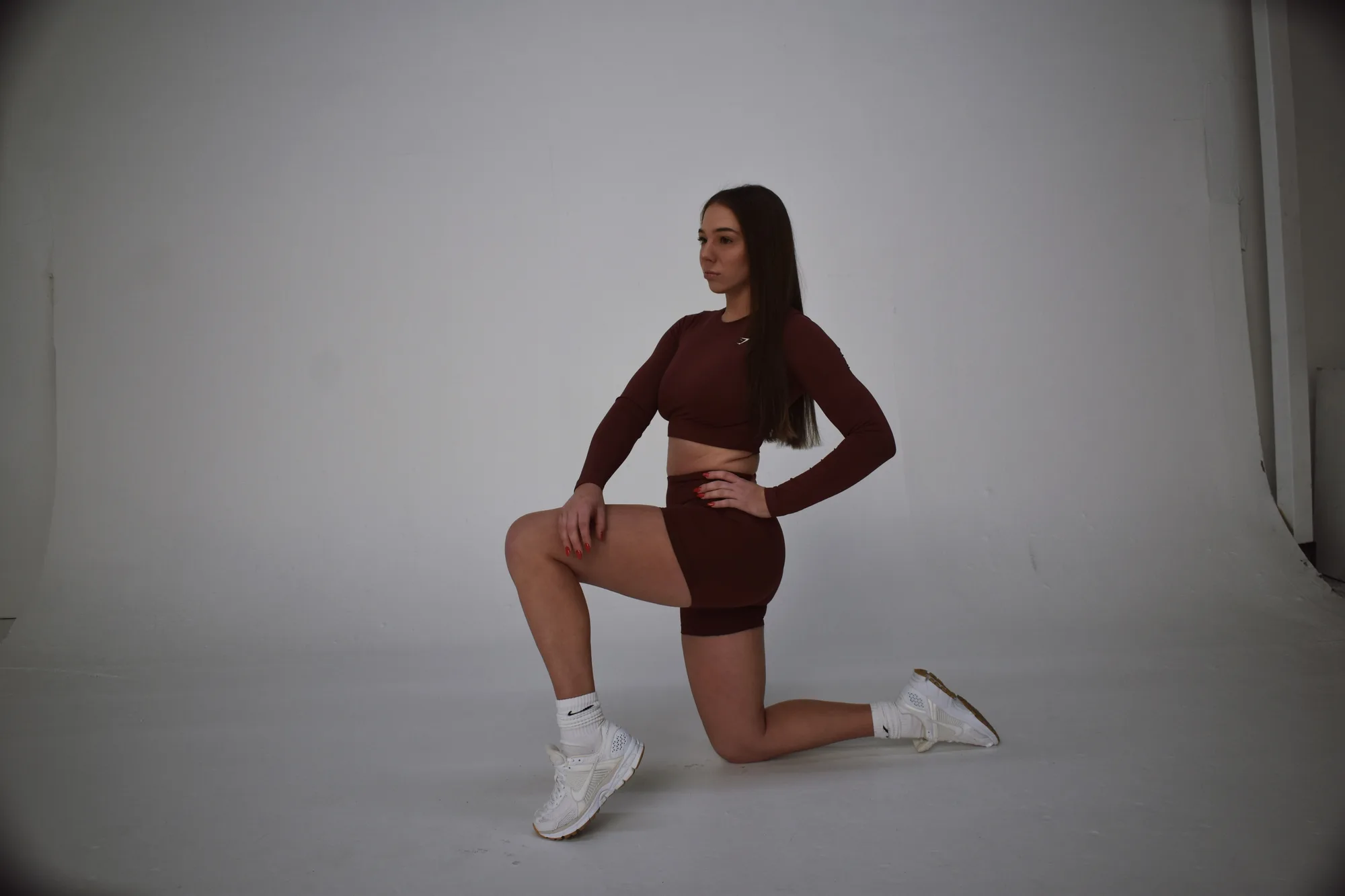


What is pelvic-floor-aware strength training?
It is strength training that treats the pelvic floor as part of the system rather than an afterthought: breathing and pressure management, core and pelvic floor coordination, and loads and impact progressed in an order your body can handle. The goal is lifting, running, and playing without symptoms holding you back.
A coach, not a pelvic floor physical therapist
Mary is a strength coach. She doesn't diagnose or treat pelvic floor conditions, and nothing here replaces an assessment. A pelvic floor physical therapist can examine what is actually happening in a way a coach can't, and if you have symptoms, that is where Mary will send you first.
What she does is the training side: taking your PT's guidance and turning it into a strength program that builds you back up to the lifting, running, and sport you want to do. The best results come from both working together.
What the training covers
Breathing & Pressure
How you breathe and brace under load decides how much pressure lands on your pelvic floor. We train it on purpose, from the first session.
Core Coordination
Deep core, pelvic floor, and glutes working together, held through real movement rather than only lying on the floor.
Return to Lifting
Squats, hinges, carries, and presses loaded progressively, with breathing and position adjusted whenever symptoms show up.
Return to Running
Strength first, then hopping and impact drills, then a graded return to running and sport. Impact gets earned, not rushed.
Signs it's time to get assessed
These are common, especially after pregnancy, and common doesn't mean something you have to live with. Any of them is a reason to see a pelvic floor physical therapist. None of them is a reason to stop moving.
- Leaking when you cough, sneeze, laugh, jump, run, or lift
- A feeling of heaviness, pressure, or dragging in the pelvis
- Pelvic or low back pain that does not settle with rest
- Sudden urgency that is hard to hold
- Symptoms that get worse as training gets harder
Had a Baby Recently?
Pelvic floor work is the foundation of the postpartum return to training, from the first breathing drills to real lifting.
Building Strength?
The same pressure and breathing work carries into a full strength program, beginner through intermediate.
This is for you if…
- You want to lift, run, or play without symptoms holding you back
- You're postpartum and want a careful, progressive return to training
- You're working with a pelvic floor PT and want the strength side covered
- You want a coach who asks about your pelvic floor instead of ignoring it
- You're willing to progress in order rather than rush to impact
This isn't for you if…
- You need a pelvic floor condition diagnosed or treated
- You want a coach to replace your pelvic floor physical therapist
- You're having new or severe pain (see your doctor or PT first)
- You want a quick fix instead of a progression
- You're not willing to talk about how your body feels
What is pelvic-floor-aware strength training?
It is strength training that treats the pelvic floor as part of the system rather than an afterthought: breathing and pressure management, core and pelvic floor coordination, and loads and impact progressed in an order your body can handle. The goal is lifting, running, and playing without symptoms holding you back.
Is this pelvic floor physical therapy?
No. Mary is a coach, not a pelvic floor physical therapist. She does not diagnose or treat pelvic floor conditions. If you have symptoms, she will recommend an assessment with a pelvic floor PT and build your strength training around their guidance.
Do I need to see a pelvic floor physical therapist first?
If you have leaking, heaviness, pressure, or pain, yes. A pelvic floor PT can assess what is actually going on in a way a coach cannot. You can start training at the same time; the two work best together.
Can I lift weights with pelvic floor symptoms?
Many women can, with the right breathing, load, and progression, and with guidance from their pelvic floor PT. Symptoms during a lift are information, not failure: we adjust the load, breathing, or position rather than push through.
Is pelvic floor training available online?
Yes. Pelvic-floor-aware programming runs in person in Pittsburgh through private coaching (from $350/month) or online through the coaching programs (from $79/month).
Train strong, with your whole body on board.
Book Your Intro Session